Tuesday to Friday, from 9:30 to 18:30.
Saturdays, Sundays and holidays, from 10:00 to 18:30.
From April to September:
Tuesday to Friday, from 10:00 to 19:00.
Saturdays, Sundays and holidays, from 10:30 to 19:00.
Closed:
Every Monday of the year. 1 and 6 January, Shrove Tuesday, 15 August, 24, 25 and 31 December.
Gijón
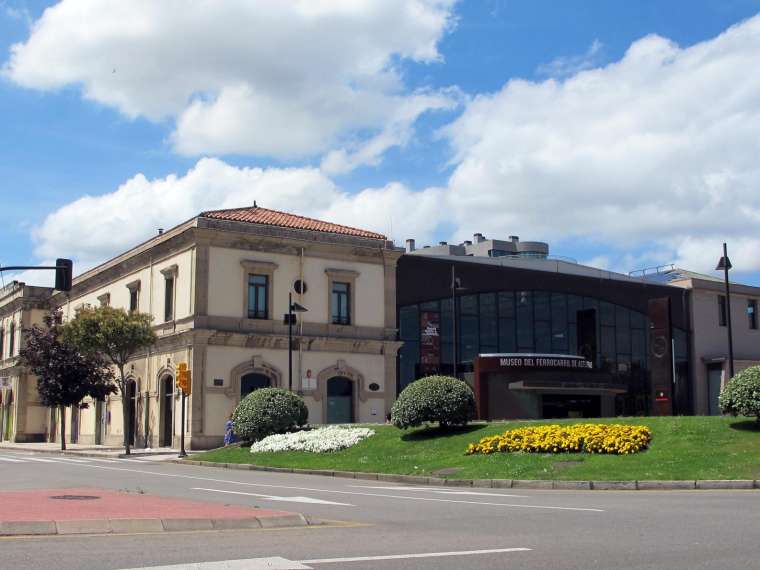
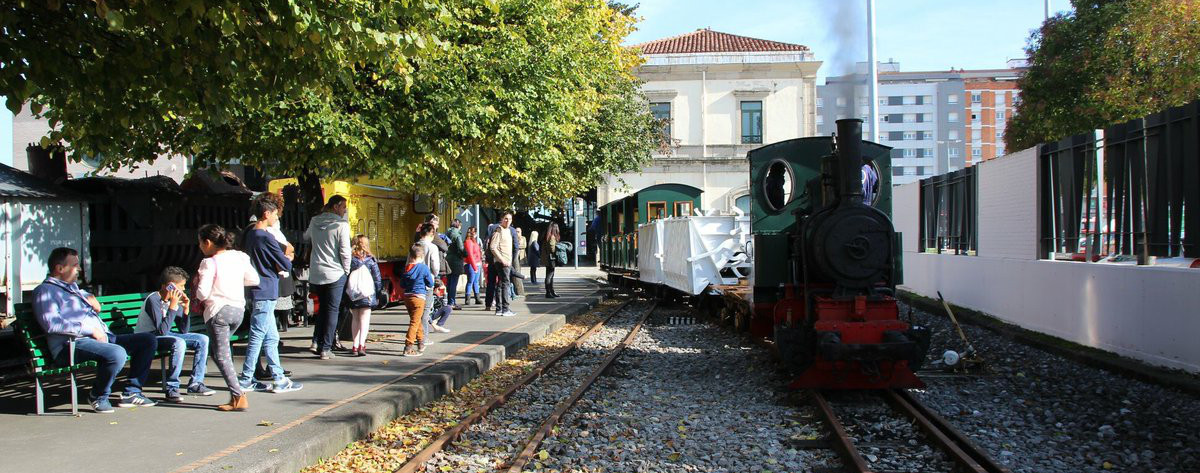
The Asturias Railway Museum opened in 1998 and currently has one of largest railway collections in Spain. It is dedicated to the conservation, research and dissemination of the industrial history of Asturias, whose backbone was the railway. The museum connects the history arising from the Industrial Revolution with the present and thus acts as an important and dynamic element of local and Asturian culture. The Asturias Railway Museum has been declared a museum of the autonomous community of Asturias and, together with the Celestino Solar Citadel, forms part of the Industrial Museums of the Municipal Foundation of Culture, Education and People's University of Gijón/Xixón.
The museum organises temporary exhibitions devoted to the railways and industrial heritage, as well as other themes that complement the contents of the permanent exhibition. It also has a documentation centre that houses a valuable collection of graphic and documentary evidence, which is essential for understanding industrial history and railways. The contents are structured into a series of themed units that show the social, economic, technological and industrial history associated with the railways in Asturias, which had one of the densest networks in Spain.
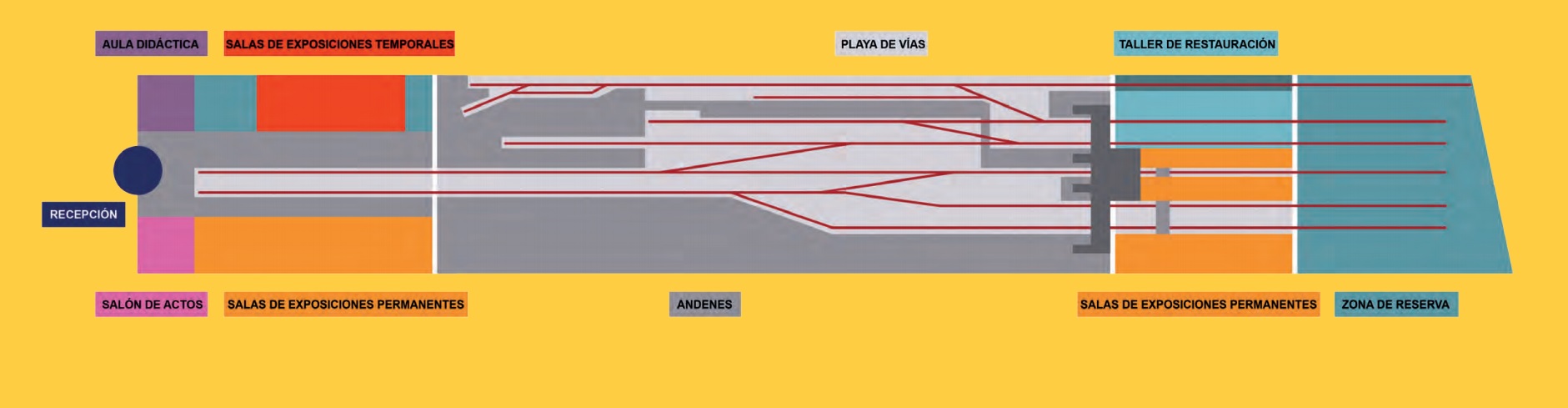
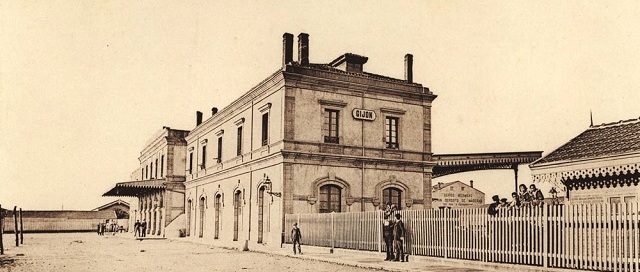
The Museum is located at the beginning of the historic working-class neighbourhood of Natahoyo. Dating back to the end of the 19th century, the birth of this neighbourhood was closely related to the construction of the Northwest Railway Terminal in 1874, which is currently the main building of the Museum. The total space dedicated to the Museum comprises three buildings and a large set of tracks, totalling more than 14,000 square metres. Of these, 10,000 make up the permanent exhibition and the rest include the administrative area, documentation centre, temporary exhibition room, activity room, restoration workshop, reservation area and green spaces.
The old station, which conformed to the company's top-quality model, was the result of a project by engineer Melitón Martín. A large part of the rolling stock is displayed on its historic platform. The temporary exhibition rooms, which occupy former station offices, are located in this building. The library and documentation centre, as well as administrative services, are located on the upper floor in the former stationmaster's office and living quarters.
In 1990, the station ceased to be used as a railway terminal and the decision was taken to convert it into a museum. To do so, a building was designed and constructed parallel to the existing one and connected to it by a canopy. Created by architecture firm Hernández Sande, it houses permanent exhibition rooms and the assembly hall. The facilities also have a multi-purpose building –used for exhibitions, restoration workshop and as a warehouse–, the platforms and the old station rail yard, where more pieces of rolling stock are located, including those that remain in working order.
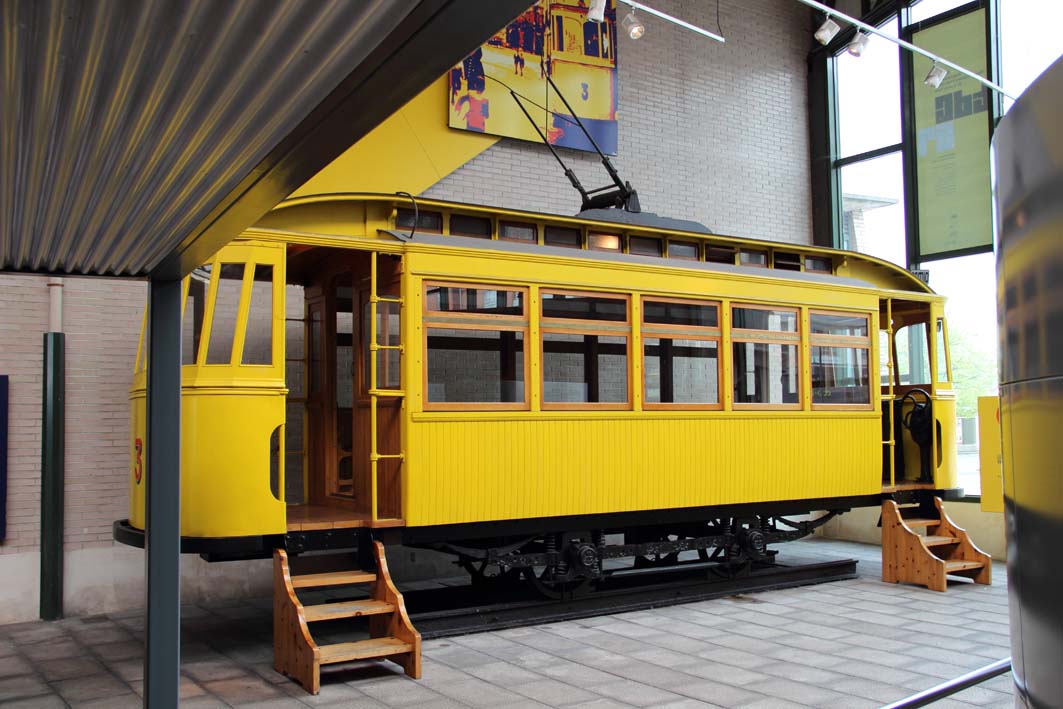
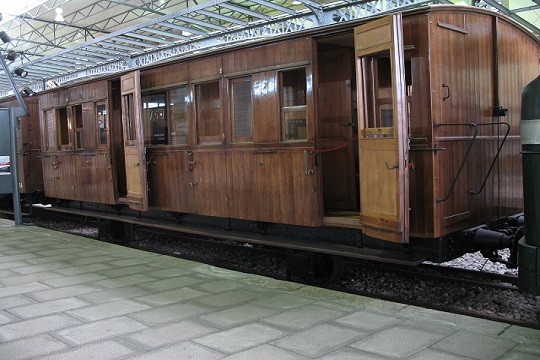
The collection on display is organised into different themed units that make up a landscape where visitors can create their own itinerary. The contents are distributed between the old station building and the platforms, the permanent exhibition building, the rail yard and the multi-purpose hall.
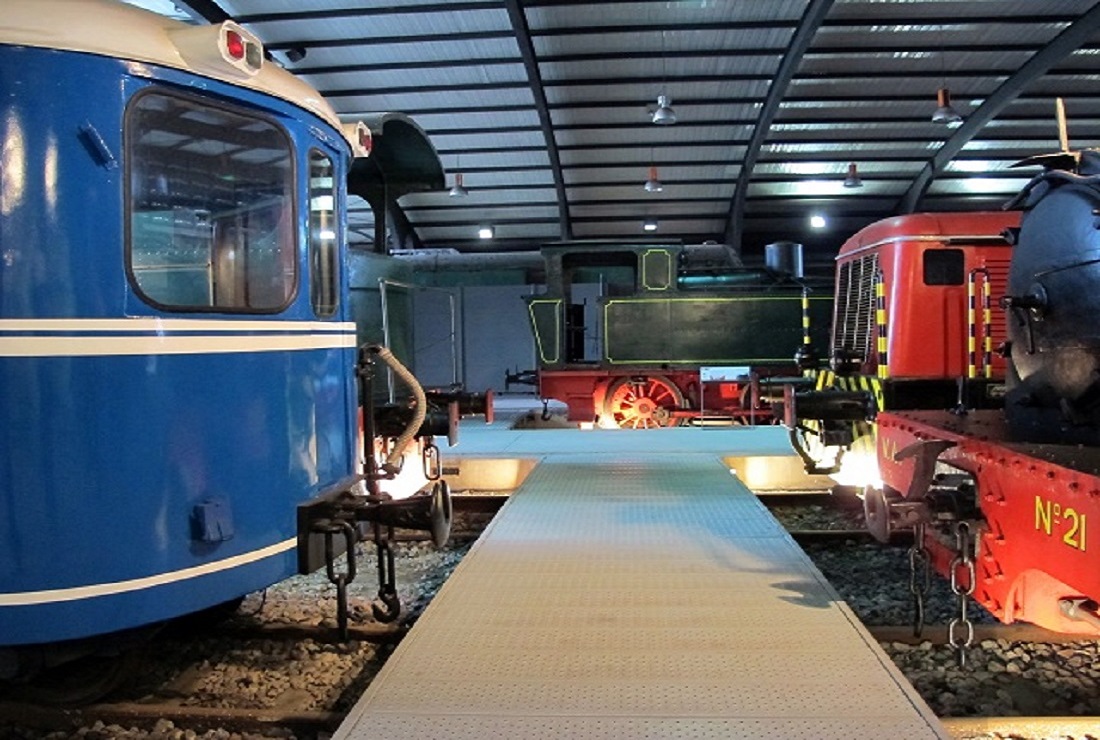
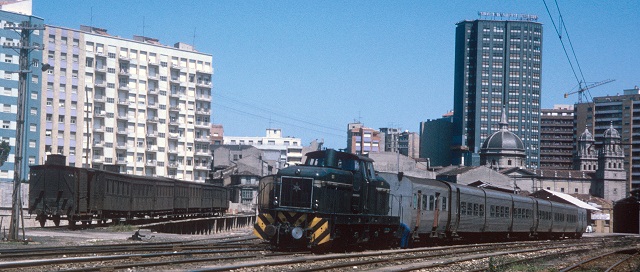
The museum's collection consists of over two thousand pieces, more than a hundred of which are rolling stock, i.e. locomotives, wagons and carriages of up to seven different track gauges. They make up the largest collection of preserved historical railway items in all of Spain. All kinds of railway-related memorabilia such as lamps, tools and telephones have also been preserved. Among the varied collection of pieces that the museum holds, mostly on loan from companies working in partnership with the museum and public entities, the most notable are the steam locomotives and those related to the mining and industrial railways, given the strong ties between the Asturian economy and these sectors.
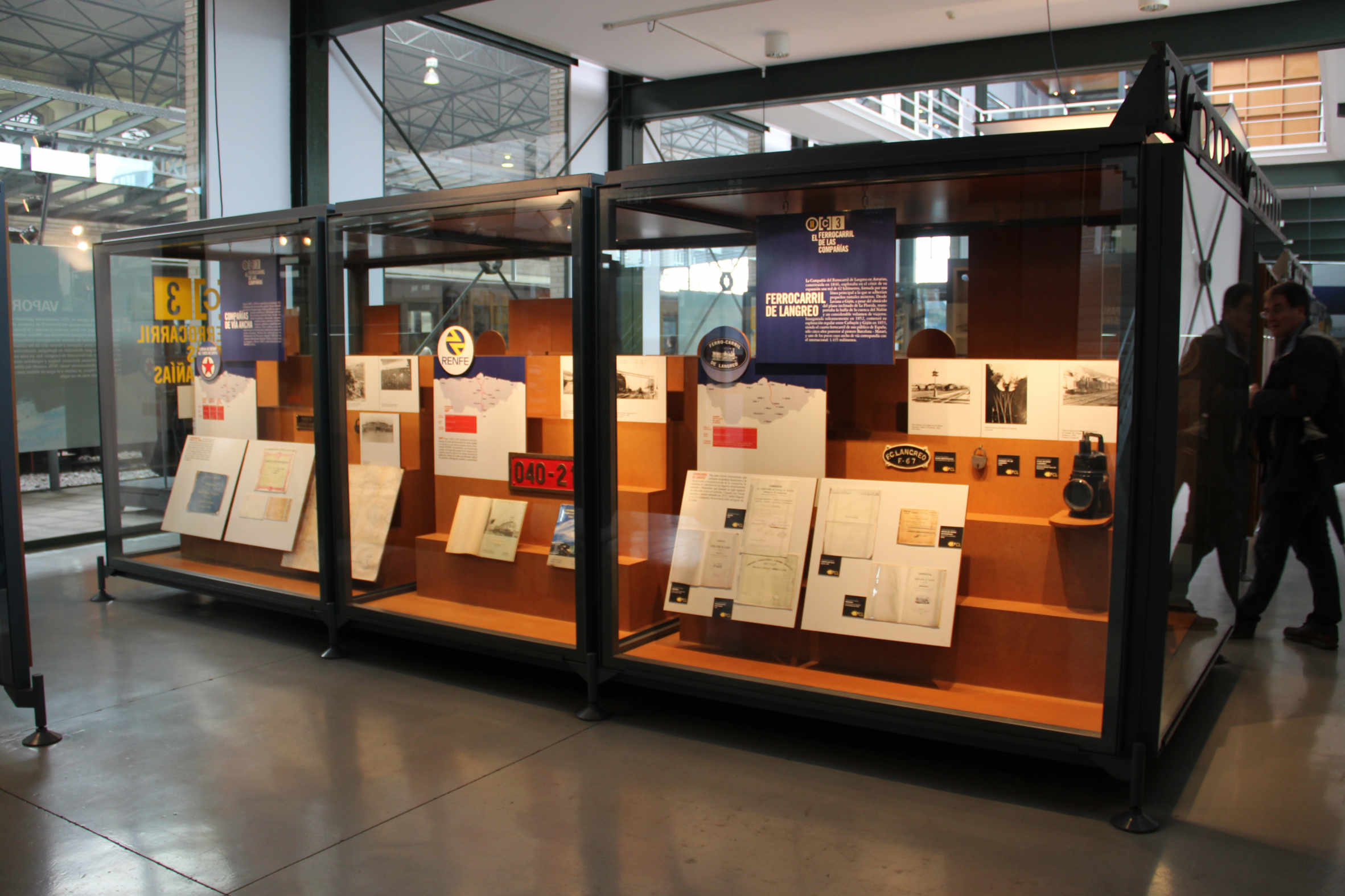
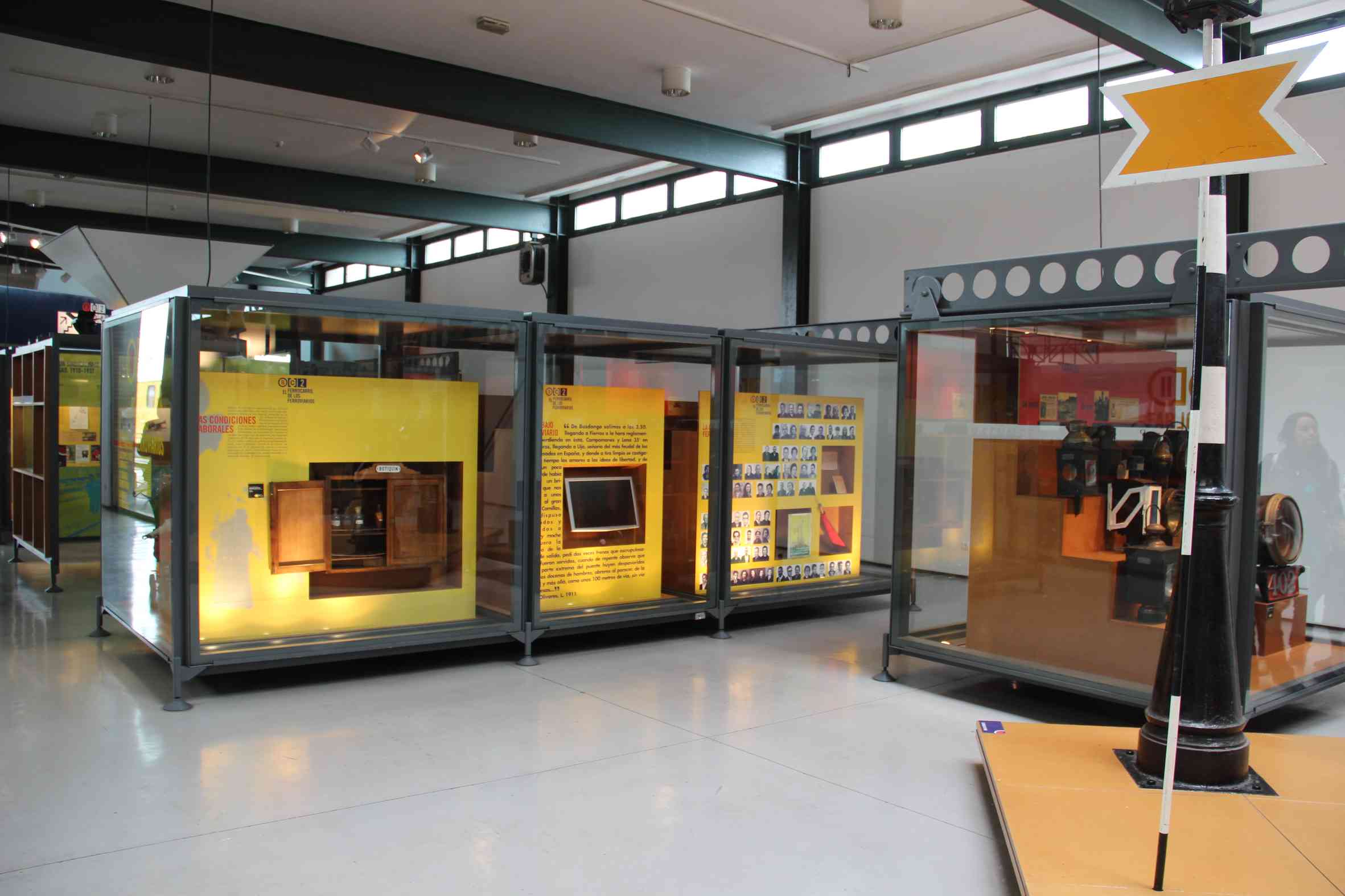
The museums policy for building its collections is based on incorporating objects, documentary materials and images with the greatest historical, representative and exhibition value for the centre's outreach objectives. That is why the focus has been on selecting pieces that help preserve the memory of the Asturian railway system and that help spread knowledge about this form of transportation in the historical, economic and social context in which it developed. “Why was the railway created?”, “Why was it built in Asturias?”, “What did it mean for the development of the region?”, and “Who and how did they use the railway?” are some of the questions that are answered in the museum. A selection of pieces can be seen in the Digital Network of Collections from the Museo de España.
Museum collection
It is made up of a total of more than three thousand pieces. Of these, more than a hundred are rolling stock, i.e. locomotives and wagons, of up to seven different gauges, which make up the largest collection of preserved historical railway items in all of Spain. All kinds of railway-related memorabilia such as lamps, tools and telephones have also been preserved. Of all the varied collection of objects housed in the museum, the most notable are the steam locomotives and those related to the mining and industrial railways, given the strong ties between the Asturian economy and these sectors.
Documentary collection
The Asturias Railway Museum holds an important documentary collection compiled over the years from being transferred and donated to and acquired by the museum. It constitutes a testimony of incalculable value for the study, conservation and awareness of the railway heritage and history of Asturias. However, the museum's collection covers other subjects of interest not exclusively related to the railways and includes a documentary heritage in different formats and media. It has been organised so that it is easy to access for researchers and users. The collection has an archive, library, newspaper archive and photo library.
The museum offers a wide programme of activities for all audiences. This is renewed annually and includes guided visits and tours for groups, conferences, unique courses, book presentations, holiday activities, workshops for schoolchildren, activities for adult audiences or disadvantaged groups and many other activities.
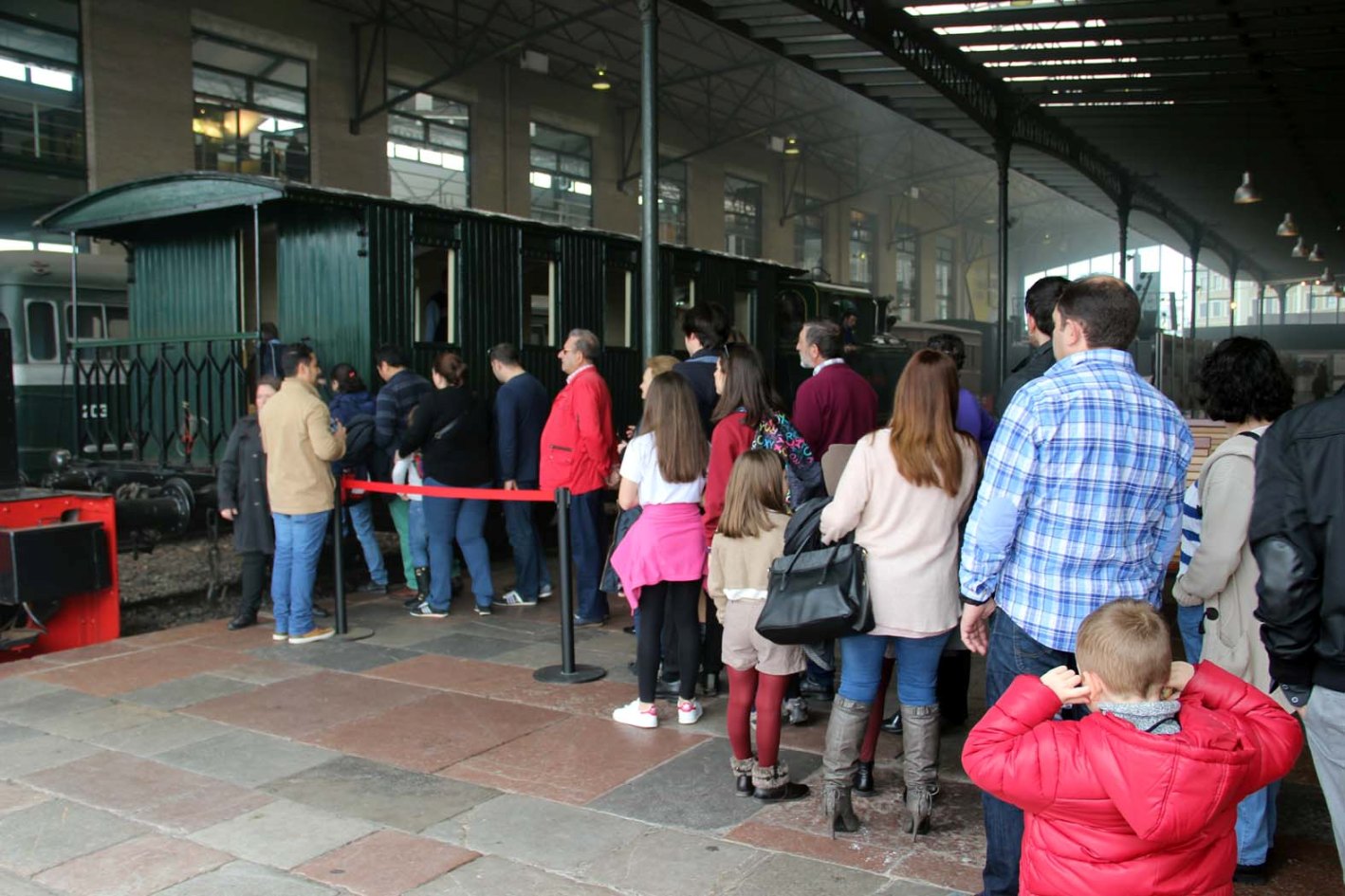
Steam Days: During these days historical steam and diesel locomotives get back on track and moving again. Visitors can take short trips around the museum riding on the trains or in old wooden carriages and also take special guided tours.
Railway Market: The platforms of the train house the traditional Christmas railway market, organised by the "Don Pelayo" Gijón Railway Friends Association.
Conferences: The museum organises an annual series of conferences on subjects related to the heritage it contains and the research projects it undertakes. They are normally held in the Auditorium on the third Thursday of each month, except in August.
Temporary exhibitions: These are related to the railway, industrial heritage and other subjects that complement the content in the permanent exhibition.
Library and Documentation Centre
The library, the historical newspaper archive and the Documentation Centre are available for all users who need to consult material for research and study purposes. Access is free of charge and an appointment must be made.
In order to offer its services and facilities and to encourage study and research into the area of railways, the Asturias Railway Museum has published or sponsored various publications.